

🔍
(by invite only)
Sponsored by Peracchio & Associates
The prayer room is open daily and delegates are welcome to use it during the conference.
(by invite only)
(by invite only)
Co-moderators: Brian Mofford, Fleetworthy & Usha Elyatamby, Arcadis
Sponsored by Fleetworthy
- Conference opening blessings, Monique Collins, Knowledge Carrier & Elder
- Welcome remarks ITS Canada 2026, Steve Henderson, Conference Co-Chair and Janis Chow, Conference-Co-Chair
- Welcome remarks ITS Canada, Shawna Boakes, CEO & Chairperson
Foundational Address: “Connecting Currents” by Monique Collins, Dragonfly Spirit CreeAtions Ltd
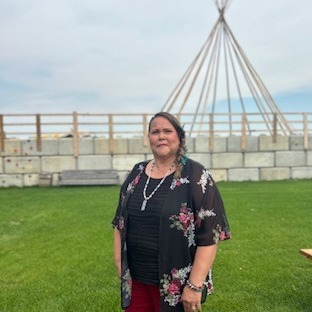
Monique Collins
— Cree Knowledge Keeper and Indigenous Wellness Director

Shawna Boakes
— Infrastructure Lead, Eastern Canada
Janis Chow
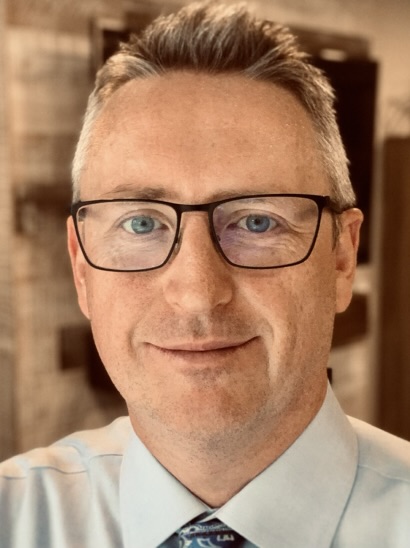
Steve Henderson
— Director ITS
- Cascading Failure of Transportation Systems under Flood Hazards: A Review by Fei Chen, Xinru Yang, Huiying (“Fizzy”) Fan, University of Alberta
- A Network-Level Thermal Resilience Assessment Framework for Transit Assets by Xinru Yang, University of Alberta
- Dynamic Estimation of Individual PM₂.₅ Exposure from Second-by-Second Multimodal Transit Trajectories: A Case Study in Elizabeth, New Jersey by Xinru Yang, University of Alberta
- A CubeSat Testbed for LoRa-based Intelligent Transportation Systems in Remote Areas by Prof. David Michelson, University of British-Columbia
- Sidewalk Machine Vision Modeling from a Dynamic Shading Perspective: Spatiotemporal Quantification of Building and Tree Shades Coverage by Huiying (“Fizzy”) Fan, University of Alberta, Xinru Yang, University of Alberta, Danfei Xu,Georgia Institute of Technology, Angshuman Guin, Georgia Institute of Technology and Randall Guensler, Georgia Institute of Technology

David Michelson
— Professor

Huiying (Fizzy) Fan
— Assistant Professor
Fei Chen
— Ph.D. Student

Xinru Yang
W10
Organized by Meghan Holcomb, Derq
Panelists:
- Karl Jeabart, Co-Founder & COO, Derq Inc.
- Gil Marques, President, Tacel Ltd
- Jonathan Hamel-Nunes, Department Head, City of Montreal
As cities across Canada and North America seek practical, scalable, and inclusive ITS solutions, Montreal’s approach illustrates how to make smart moves in lean times through strategic investment, cross-sector collaboration, and forward-thinking innovation that delivers real-world impact.
Moderated by Tacel, this session brings together representatives from the City of Montreal and Derq to share the story of Montreal’s city wide (over 100 intersection) Safety and Mobility Analysis System (SASMI) project. Panelists will explore the approach taken, technologies evaluated and selected, and the city’s overarching goals: to proactively monitor and analyze road safety and traffic performance in real time, identify near-miss patterns, and improve VRU safety across a dense, multimodal network.
Attendees will receive actionable takeaways on:
- Building a connected, future-ready, large-scale intelligent transportation system.
- Integrating AI and digital infrastructure with new and existing camera networks to create smart intersections that generate real-time safety insights into near-misses, crashes, illegal crossings, and more.
- Establishing cross-sector partnerships and collaboration strategies across public and private organizations.
- Prioritizing intersections and defining phase I deployment criteria.
- Future-proofing investments to support V2X, V2N, connected vehicles, and other emerging technologies.
- Lessons learned on what worked, what didn’t, and how the team adapted in response.
- Planning, testing, and identifying critical needs and capabilities such as near-miss detection, AI model accuracy, dashboard and reporting requirements, Edge processing performance, and more.
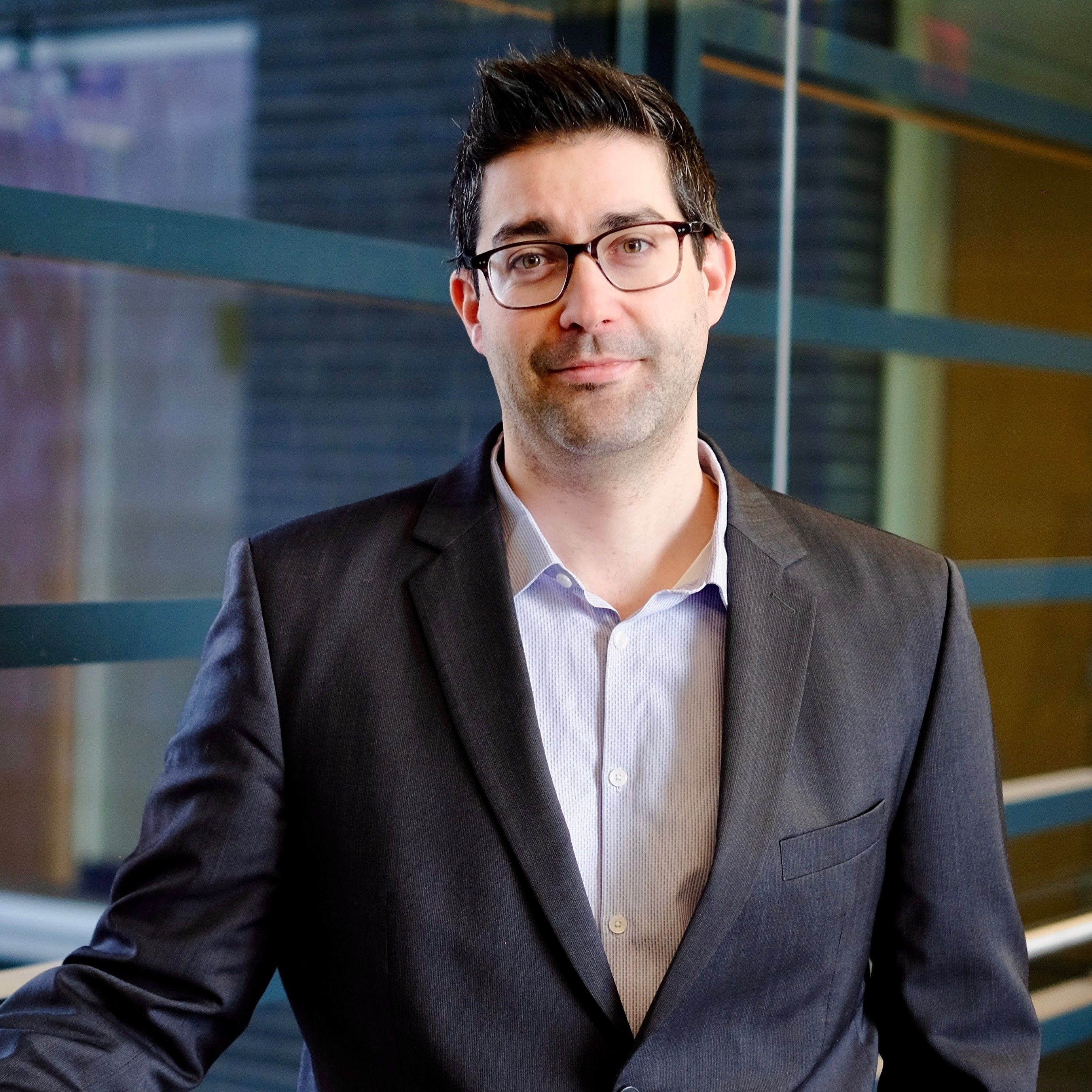
Jonathan Hamel-Nunes
— Head of Traffic Management

Karl Jeanbart
— Co-Founder & COO
Gil Marques
— President
W11
Organized and moderated by Michele Mueller, Project Manager for Connected, Automated Vehicles, and Electrification, Michigan Department of Transportation
Panelists:
- Usha Elyatamby, Arcadis
- Daniel Kligerman, Esri Canada
As connected mobility evolves, vehicle-to-network (V2N) communication is emerging as a foundational layer for next-generation transportation systems. Through advancements in cellular technology, cloud integration, and real-time data exchange, V2N enables vehicles and infrastructure to operate in sync—enhancing safety, reliability, and efficiency across multimodal networks.
This executive session examines how transportation agencies, network providers, and technology partners are expanding the V2N ecosystem, from policy frameworks and data architecture to operational use cases. Discussion will focus on how network-based connectivity is transforming traffic management, freight operations, and incident response while setting the stage for automated and cooperative mobility.
Panelists will share strategies for integrating V2N within existing ITS frameworks, addressing cybersecurity and interoperability challenges, and building sustainable, scalable models for deployment across diverse geographies and corridors.
Key Topics
- The evolution of vehicle-to-network connectivity and its role in intelligent transportation systems
- Leveraging cellular and cloud-based architectures for real-time mobility insights
- Data governance, interoperability, and cybersecurity considerations in the V2N ecosystem
- Practical V2N use cases: freight coordination, traffic optimization, and safety applications
- Policy and investment frameworks supporting scalable network-driven infrastructure
- Pathways toward cooperative, automated, and connected corridor operations
W12
Panel Organizers:
- Shawna Boakes, Infrastructure Lead Eastern Canada, PBX Engineering
- Yeatland Wong, Director of Smart Mobility, Transnomis Solutions Inc.
Moderator: Shawna Boakes, PBX Engineering
Panelists:
- Michelle McCarthy, Director of Supplier Engagement, Kinetic GPO
- Sunny Petrujkic, Senior Project Manager, Strategic Initiatives, City of Toronto
- Karamjeet Deogan, Deputy Director, Transportation Systems and Road Safety Engineering, BC Ministry of Transport and Transit
- Sameer Patil, TMC Leader, Traffic Services, City of Calgary
Procuring ITS technology is rarely straightforward. Rapidly evolving products, complex integrations, proprietary systems, long implementation timelines, and the need for ongoing support all create challenges for agencies trying to get the best value while meeting operational needs. Meanwhile, vendors often face unclear requirements, rigid procurement structures, and evaluation criteria that don’t always reward innovation.
This panel brings together public sector officials who have different experiences, challenges, successes and lessons learned, from across Canada, as well as procurement professionals who can discuss alternative procurement models.
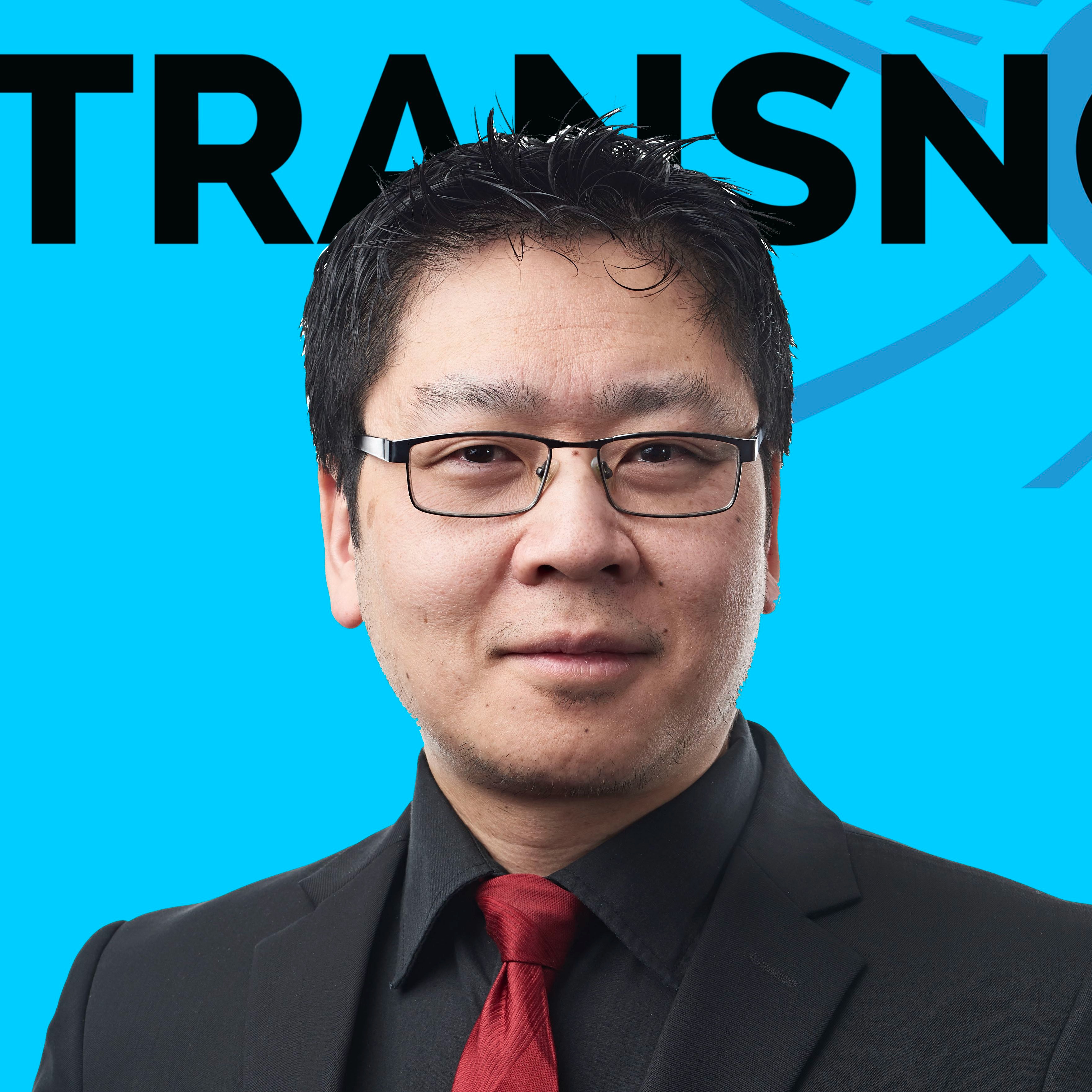
Yeatland Wong
— Director of Smart Mobility Projects
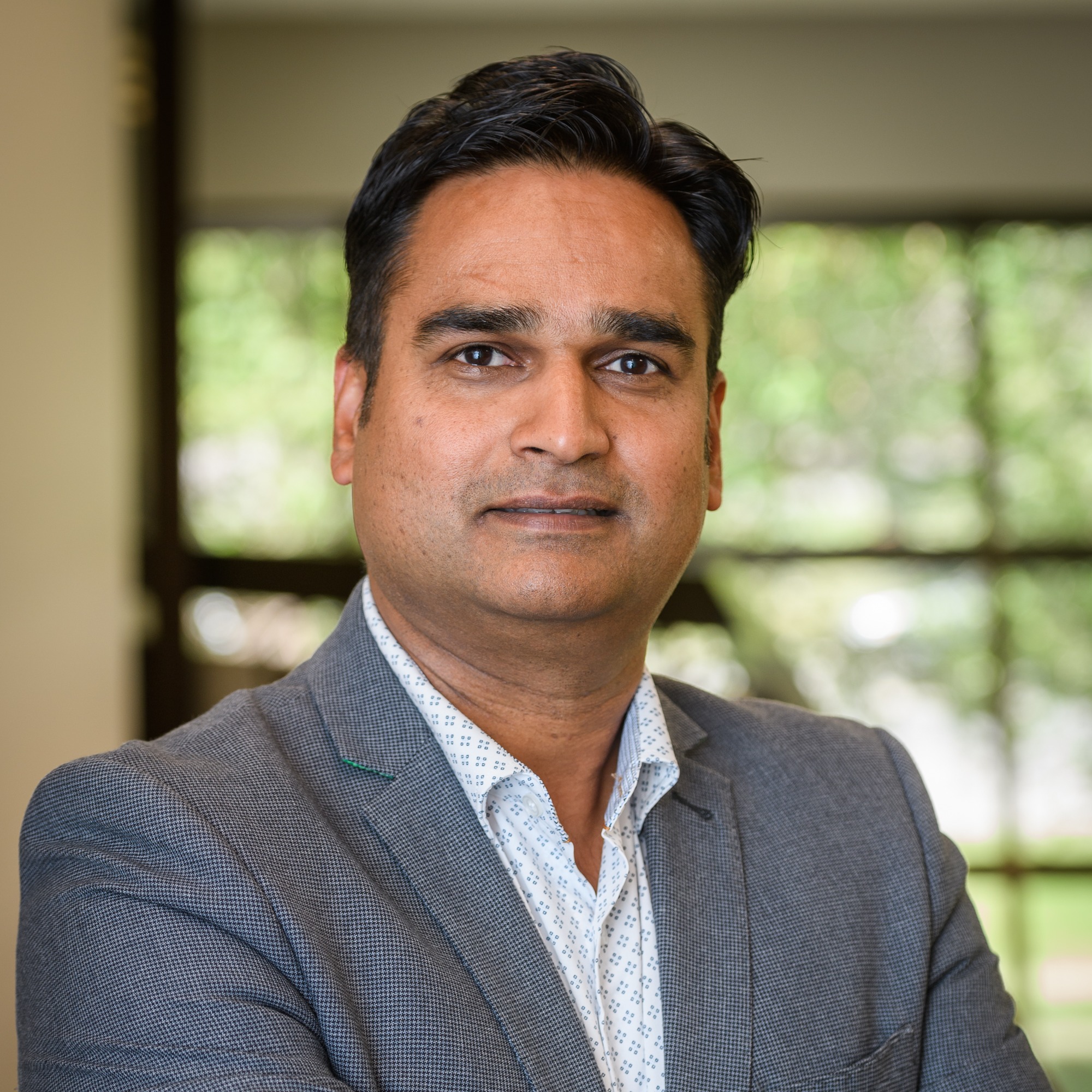
Sameer Patil
— Leader of Traffic Management Centre

Sunny Petrujkic
— Senior Project Manager, Strategic Initiatives

Karamjeet Deogan
— Deputy Director, Transportation Systems and Road Safety Engineering
Michelle McCarthy
— Director of Supplier Engagement
W20
Panel Organizers:
- Roger Browne, Director, Congestion and Network Management, City of Toronto
- Yeatland Wong, Director of Smart Mobility, Transnomis Solutions Inc.
Moderators: Roger Browne, City of Toronto, and Yeatland Wong, Transnomis Solutions
Panelists:
Dave Greenfield, Chief Information Officer, Halifax Harbour Bridges
- Linda Lee, Senior Engineer, City of Toronto
- Alexander Godfrey, National Sales Manager, GGI Road & Traffic
- Elizabeth Loder, Associate PM, Weather Consulting Lead, WSP
From floods and icy snowstorms, severe weather preparedness is a challenging feat for municipalities across Canada. This panel of municipal and transportation leaders will walk through how they plan for, respond to, and manage traffic during snowstorms, flooding, high winds, freezing rain, and low-visibility events. Hear how they gather data, prioritize critical routes and structures, push travel information to the public, and use data and intelligent traffic systems to make faster, safer decisions.
Exploring solutions such as Variable Speed Limits, RWIS data technology, VMS message automation, and Advanced Traveler Information Systems, you’ll see how better situational awareness, cross-department coordination, and proactive communication with travelers can keep people and goods moving – even when the weather doesn’t cooperate.



W21
Organized by Ali Mortazavi, CEO, Davteq
Moderator: Randy Iwasaki, CEO, Iwasaki Consulting Services
Panelists:
- Ali Mortazavi, CEO, Davteq
- Tony Abuta, Director and Technologist – Global Smart Cities and Intelligent Transportation, Intel Corporation
- Dr Tamara Djukic, Head of Green & Urban Mobility, ERTICO, CEO & Co-Founder MLsquared
Artificial Intelligence has become the new frontier in transportation innovation — but also one of its biggest misconceptions. Agencies are collecting unprecedented volumes of data, yet decision-makers often face the same challenge: too much information, too little insight.
This session cuts through the noise to examine the myths and realities of applying AI in real transportation environments. It challenges assumptions like “more data equals better insight,” “AI will replace everything,” and “dashboards tell the full story.” Through real examples from field operations, data integration programs, and predictive mobility studies, the panel will reveal what it actually takes to make AI outputs meaningful, explainable, and trusted.
Structured as an interactive “Reality Lab”, the discussion blends rapid myth-busting, scenario challenges, and candid dialogue across public, private, and research perspectives. Participants will explore how to balance AI innovation with human expertise, bridge fragmented data silos, and build decision systems that are transparent, context-aware, and ethically grounded. The session goes beyond hype to envision a future where transportation AI systems don’t just automate — they reason, collaborate, and learn alongside the people who manage them.
By the end of this session, participants will:
- Identify the most common misconceptions about AI and data in transportation decision-making.
- Understand the technical and organizational realities of deploying AI for real-world mobility applications.
- Explore practical frameworks for building hybrid human-AI decision systems that are transparent and trustworthy.
- Recognize data quality, governance, and explainability as essential foundations for AI success.
- Envision how reasoning-based AI could shape the next decade of intelligent mobility.

W22
Panel Organizers:
- Janis Chow, General Supervisor of Signals & Street Lighting, City of Edmonton
- Yeatland Wong, Director of Smart Mobility, Transnomis Solutions Inc.
Moderators: Arif Rafiq, Esri Canada, and Janis Chow, City of Edmonton
Panelists:
- Jonathan Hamel-Nunes, Division Manager, Innovation and Travel Management, City of Montreal
- Sharath Mysore Narasimhamurthy, Postdoctoral Associate, University of Calgary
- Michael Vaudan, Sr. Operations Engineer, City of Edmonton
- Peter Short, Sales and Operations Manager, Velociti Innovations
- Raphael Dumas Team Lead, Data Operations, City of Toronto
Traffic monitoring has evolved well beyond traditional loop detectors and tube counts. Today, agencies have access to radar and lidar sensors, AI-powered video analytics, connected vehicle data, probe data from navigation apps, and crowdsourced information—each offering different strengths, coverage, and costs.
This panel takes a practical look at emerging traffic monitoring technologies and how Canadian agencies are putting them to work. Panelists from public, academic, and private sectors will discuss the need for traffic monitoring, the challenges, solutions, and real-world deployments, comparing the accuracy, reliability, and cost-effectiveness of different approaches. They’ll explore how agencies integrate multiple data sources to build a more complete picture of network conditions—and the challenges of managing, fusing, and making sense of all that data.
Jonathan Hamel-Nunes
— Head of Traffic Management
Michael Vaudan
— Senior Operations Engineer
Peter Short
Sharath Mysore Narasimhamurthy

Raphael Dumas
— Team Lead, Data Operations (Emerging Mobility)
Janis Chow
Arif Rafiq
— Industry Manager, Transportation
Session 1: Foundations of AI in ITS: What is AI and are we ready?
This workshop focuses on the definition of AI and its foundational requirements for deploying and scaling AI in ITS. Participants will gain clear overview of AI models, and examine data readiness, system integration, and governance frameworks needed for their deployment. It will contribute to understand potential of AI and integrational gaps for AI in Canada, supporting dialogue on the common and shared principles for data governance and system integration.

Join us for the official opening and ribbon cutting of the ITS Canada 2026 Expo. Sponsored by Fortran Traffic Systems.
Sponsored by Black & McDonald
An Equitable Intersection is an immersive, interactive exhibit that blends VR, physical elements, and real‑world technologies to show how intersections can be safer and more inclusive for everyone. Featuring Esri Canada, WSP Canada, Ramudden, Ouster, Tacel, BlindSquare, and Transnomis, it brings together data, design, sensing, and operations in a hands‑on, shared experience. Visitors engage with the intersection from multiple perspectives—pedestrians, cyclists, drivers, transit users, and people with disabilities—using tools that reflect real‑world navigation and decision‑making, including accessible mobile apps. The experience transforms equity from an abstract concept into something people can see, feel, and better understand.
Featuring contributions from BlindSquare/Transnomis, ESRI Canada, Fortran/Ouster, Ramudden, Tacel and WSP/City of Toronto – Project
Sponsored by WSP
An inclusive evening of networking and frontier fun. Guests will learn about Western fusion dance through performance and enjoy the opportunity to learn a dance in an interactive session led by Cherelle George, Soca Fit
Plenary & Catering
Keynote address introduced by Judy Yu, Associated Engineering
- Solving Real Problems: Driving Innovation and Systems Thinking in Michigan’s Transportation Future by Director Brad Wieferich, Michigan Department of Transportation

Judy Yu
The prayer room is open daily and delegates are welcome to use it during the conference.
Workshop 2: AI in Intelligent Transport Systems: From Vision to Strategic Priorities
This workshop examines where AI can create the most value in Canadian ITS by exploring global and national trends, evaluating high‑impact use cases, and aligning on strategic priorities. Participants will develop a shared understanding of AI opportunities in Canada and identify priority use cases for future development.
TO2
Panel Organizers:
- Roger Browne, Director, Congestion and Network Management, City of Toronto
- Yeatland Wong, Director of Smart Mobility, Transnomis Solutions Inc.
Moderators: Roger Browne, City of Toronto, and Yeatland Wong, Transnomis Solutions
Panelists:
- Dave Greenfield, Chief Information Officer, Halifax Harbour Bridges
- Ali Alou, Senior Engineer, Traffic Operations, City of Edmonton
- Asad Lesani, VP Smart Infrastructure Product, Ouster
- Sunny Petrujkic, Senior Project Manager, Strategic Initiatives, City of Toronto
- Ben Pisch, Vice President of Clients and Markets, Sensen AI
Keeping workers safe is as important as keeping drivers safe. Construction and maintenance workers are particularly vulnerable—especially during harsh weather, peak traffic, and day-to-day field work.
In this panel, we will be exploring the use of technology and improvements to processes to enhance safety in workzones. Our panelists will explore this topic from several different aspects including the risks and considerations, the newest technologies in workzone safety, the technology gaps, the projects that show the leading edge of workzone safety, and what’s in store for the future.
The panel will approach this from multiple perspectives, featuring case studies from bridge authorities, urban municipalities, and technology providers.
Traffic and operations experts will discuss how their agencies protect travellers, as well as the people who keep roads open and traffic moving. We’ll discuss topics including Halifax Harbour Bridges’ challenges with staff and public safety on bridges, Toronto’s challenges with construction workzones and accessibility for pedestrians with disabilities, and Esri Canada’s Transit Safety pilot project in Edmonton. Panelists will share how they design and plan safer work zones, optimize safety with technology, and adapt operations during severe weather so workers can do their jobs without critical risk.

Dave Greenfield
— CIO
Ali Alou
— Senior Traffic Engineer
Asad Lesani
Sunny Petrujkic
— Senior Project Manager, Strategic Initiatives

Ben Pisch
— VP Clients and Markets
Sponsored by Econolite Canada
T20
Moderator Phil Pierce, Principal, Senior Systems Lead, Integrated Systems Lead, PBX Engineering
- Understanding AI in the Transportation Sector by Chris Teolis, Arup and Alicia Wallis, Mott MacDonald
- From Detection to Understanding: VLMs in Intelligent Traffic Systems by Don Maxey, Keenfinity Inc
- A Case Study of Vision–Language Models for Temporal Scan-Path Description in Driver Monitoring by Ghazal Farhani, Shabnam Shabani, Taufiq Rahman, National Research Council of Canada
- ITS at the Intersection of AI and Cyber Security by Keenan Kitasaka & Elena Abu Khuzam, AECOM

Ghazal Farhani
— Associate Research Officer

Keenan Kitasaka
— ITS Technical Lead, Transportation
Elena Abu Khuzam

Chris Teolis
— Americas Region Data and AI Leader
Don Maxey
— Solutions Engineering
Phil Pierce
— Principal, Senior Systems Lead, Integrated Systems Lead
T21
Moderator Doug Parker, Urban Mobility Technology, Market Lead, Mott MacDonald
- QEW Innovation Corridor – Piloting Underway by Mara Bullock, WSP
- Smart, Connected, and Reliable Transit Operations: Calgary Transit’s CAD/AVL/APIS Technology Transformation by Muhammad Arslan Asim, City of Calgary
- Practical Automated Vehicle readiness – are your roads ready? by Josh Gilman, TomTom

T22
- A Collaborative Approach to Traffic Management in Calgary by Sameer Patil, City of Calgary
- N.EX.T.: A Streamlined Solution for Resource & Inventory Management by Tasneem Naheyan, Parsons
- Traffic Management Centre Video Wall Replacement Study by Tim Murphy, Parsons and Karamjeet Deogan, BC MoTT
- The Aerial Mosaic: Transcending Ground-Level Data to Orchestrate Regional Mobility by Shadi Hagag, Transplan Global

ITS Anybody’s Guess!
Join us for lunch. Stay for the glory. ITS Anybody’s Guess is a high-stakes showdown of wit, instinct, and nerve — and absolutely anyone could walk away a champion. Think you have what it takes? Compete for fabulous prizes and the eternal glory of being crowned the ITS Anybody’s Guess Champion. The questions are unexpected. The competition is fierce. And the winner? Could be anyone in the room.
Do you have what it takes? Prove it.

The session will also feature an exciting preview of ITS Canada 2027, offering a warm welcome to Montréal and a glimpse into what awaits at our next national gathering presented by ITSC 2027 Conference co-chair Jonathan Hamel-Nunes and Georgiana Marinus, Ville de Montréal.
- Resilience Evaluation of Coupled Power and Transportation Networks Considering Electric Vehicle Mobility by Fei Chen, Huiying (“Fizzy”) Fan, University of Alberta
- Research on the Quality of Driverless Taxi Services and Usage Intentions: A Case Study of “Baidu Apollo Go” in Wuhan, Daobin Wang, University of Alberta
- A Robust Framework for Similar-Day Selection in Electric Vehicle Charging Load Forecasting by Xu Wang, PhD, Associate Professor, School of Qilu Transportation, Shandong University
- Citywide Traffic Volumes Mapping using Satellite Imagery and Roadway Attributes: A Deep Learning Framework for Edmonton by Abhinav Parbhakar, Nancy Huynh and Dr. Tae J. Kwon PhD, University of Alberta
- Uncertainty-Aware Traffic Count Station Optimization using Spatiotemporal Kriging and Simulated Annealing by Huiyi Chu, B.Eng. and Dr. Tae J. Kwon, Ph.D., P.Eng, University of Alberta
- Extending the Value of Sparse Traffic Counts Through Network-Based Propagation and Confidence Scoring: City of Edmonton Case Study by Juan Esteban Lamilla Cuellar, M.Sc. and Dr. Tae J. Kwon, Ph.D., P.Eng., University of Alberta


Panel Organizers:
- Roger Browne, Director, Congestion and Network Management, City of Toronto
- Yeatland Wong, Director of Smart Mobility, Transnomis Solutions Inc.
Moderators: Roger Browne, City of Toronto, and Yeatland Wong, Transnomis Solutions
Panelists:
- Mary Ann Bent, Manager, Accessible Navigation & Wayfinding Solutions, CNIB Access Labs
- Sunny Petrujkic, Senior Project Manager, Strategic Initiatives, City of Toronto
- Mara Bullock, Director, Smart Sustainable Mobility, WSP
- Michael Vaudan, Sr. Operations Engineer, City of Edmonton
- Jonathan Hamel-Nunes, Division Manager, Innovation and Travel Management, City of Montreal
Across Canada, sidewalk closures, detours, and work zones can quickly turn into barriers for people with disabilities, older adults, and others who rely on clear and accessible information or direction to travel safely.
This panel brings together municipalities, transportation agencies, accessibility advocacy representatives, and technology experts to discuss how they can remove barriers through the use of technology and devices, and what’s still needed in the future to make sidewalks and sidewalk detours accessible to support safer, more independent travel for all. We’ll explore challenges, policies, and solutions.
Sunny Petrujkic
— Senior Project Manager, Strategic Initiatives
Mary Ann Bent
Michael Vaudan
— Senior Operations Engineer

Mara Bullock
— Director, Smart Sustainable Mobility
Jonathan Hamel-Nunes
— Head of Traffic Management
T41
Moderator Jack Stickel, Transportation Planner Alaska DOT (retired).
- The Star Rating Framework: Ensuring Data Integrity in Challenging Canadian Environments by Jason Deglint, Miovision
- From Silos to Synergy: Managing and Harmonizing Location for Disparate Datasets in a Multi Stakeholder Ecosystem by Craig Smith, TomTom
- Casting the IEEE Digital Privacy Model as a Tool and Technique for Intelligent Transportation Systems Project Management by Prof. David Michelson, University of British Columbia
- Breaking Down Data Silos: How GIS-Based Transportation Data Exchange Enables Affordable, Scalable ITS Solutions for Communities of All Sizes by Daniel Kligerman, Esri Canada
Moderator Judy Yu, Discipline Leader Data Management and ITS, Associated Engineering
- How Physical AI and 3D data is transforming urban mobility and community safety by Dr Asad Lesani, Ouster
- Affordable AI-Driven Road Asset Detection: Building Robust Models with Limited Training Data by Dr. Suliman Gargoum, Reflektar
- Developing and Testing AI-Based Wildlife Detection Systems by Ian Steele, PBX Engineering
- Modernizing Bus Stop Asset Management Through AI and Geospatial Systems by Rajeev Roy, York Region
- From SOPs to Smart Operations: Applying Agentic AI to Reduce Workload and Improve Reliability in Traffic Operations Centers by Khaled Belhedi, GFT Inc.

Judy Yu
Sponsored by Econolite Canada
T50
Organized by Brian Zupancic, Program Manager, CSA Group and Omar Choudhry, Sr. Specialist ITS, City of Ottawa & CSA CAV Technical Committee Chair
This session will provide insights into work conducted by CSA Group in the standards development landscape related to CAVs,and seek input on upcoming work on the CAV Code and future areas of focus to support the development of guidelines and standards for industry and government organization to use in support of ushering in a world with CAVs. This interactive and engaging session will also discuss a recent workshop by SAE in the United States regarding data standardization and seek initial input from a Canadian context.

T51
Moderator Dr. Suliman Gargoum, Co-founder and Advisor, Reflektar
- Traffic Signal Forensics with AI by Nader Ayoub, Iteris
- Supercharge your team with an AI-powered Virtual Traffic Operations Agent by Brent Rogerson, Miovision
- Scalable Signal Operations Optimization with AI and Floating Car Data: Experience from a Toronto OVIN project by Amir Ghods, SMATS Traffic Solutions


T52
Moderator Homayoun Vahidi, Division general manager, Canada West, Mott MacDonald
- From Vision to Execution: How a Digital Twin Transformed Hilversum’s Mobility Strategy into a €35M Implementation Program by Marco Maréchal, Connected
- Addressing Complex Community Challenges with Solution Suite by Amar Gandhi, Telus
- Seeing the Network Clearly: AI Mapping for Modern Transport Decisions by Robert MacGregor, GeoMate
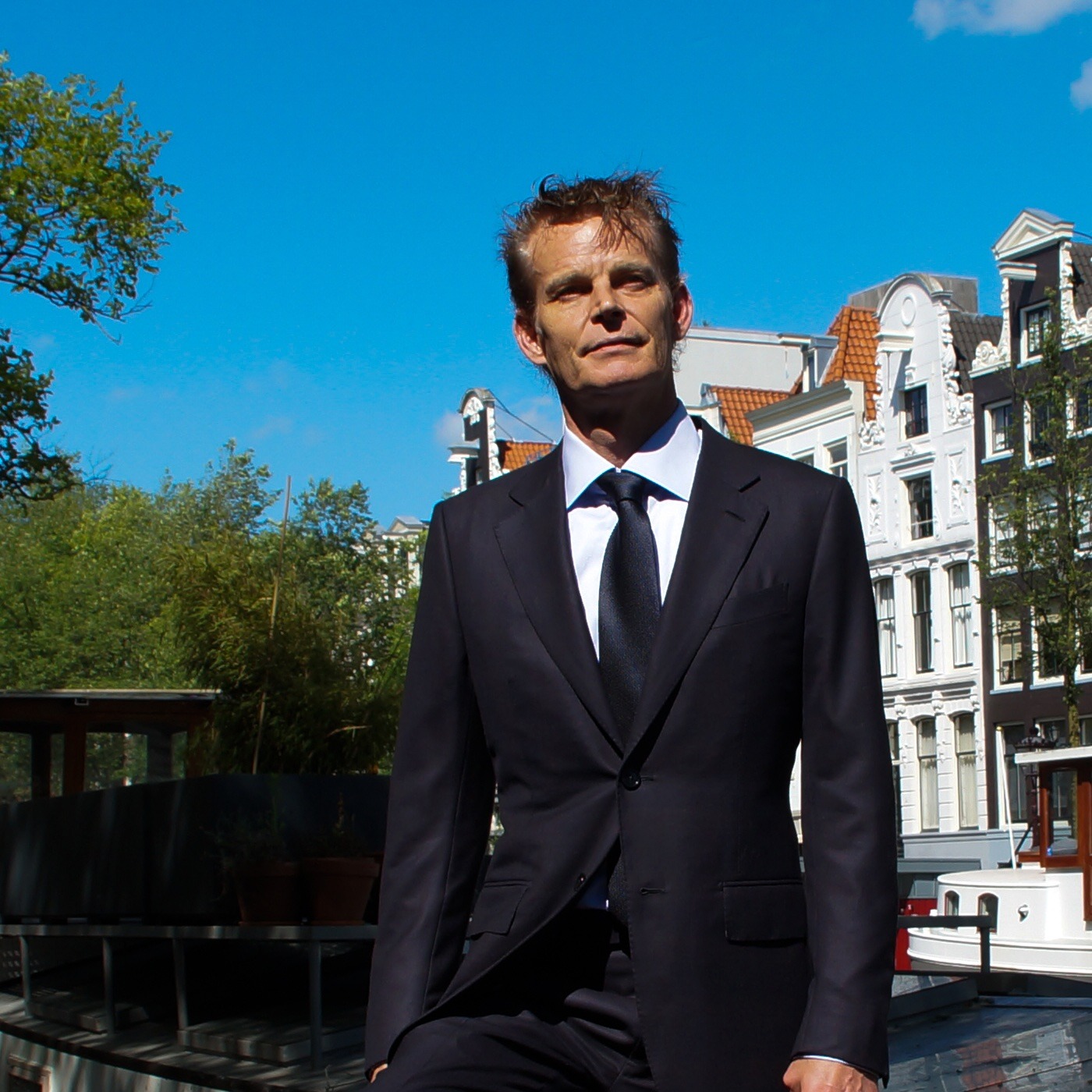
Marco Maréchal
— CEO / Innovation manager
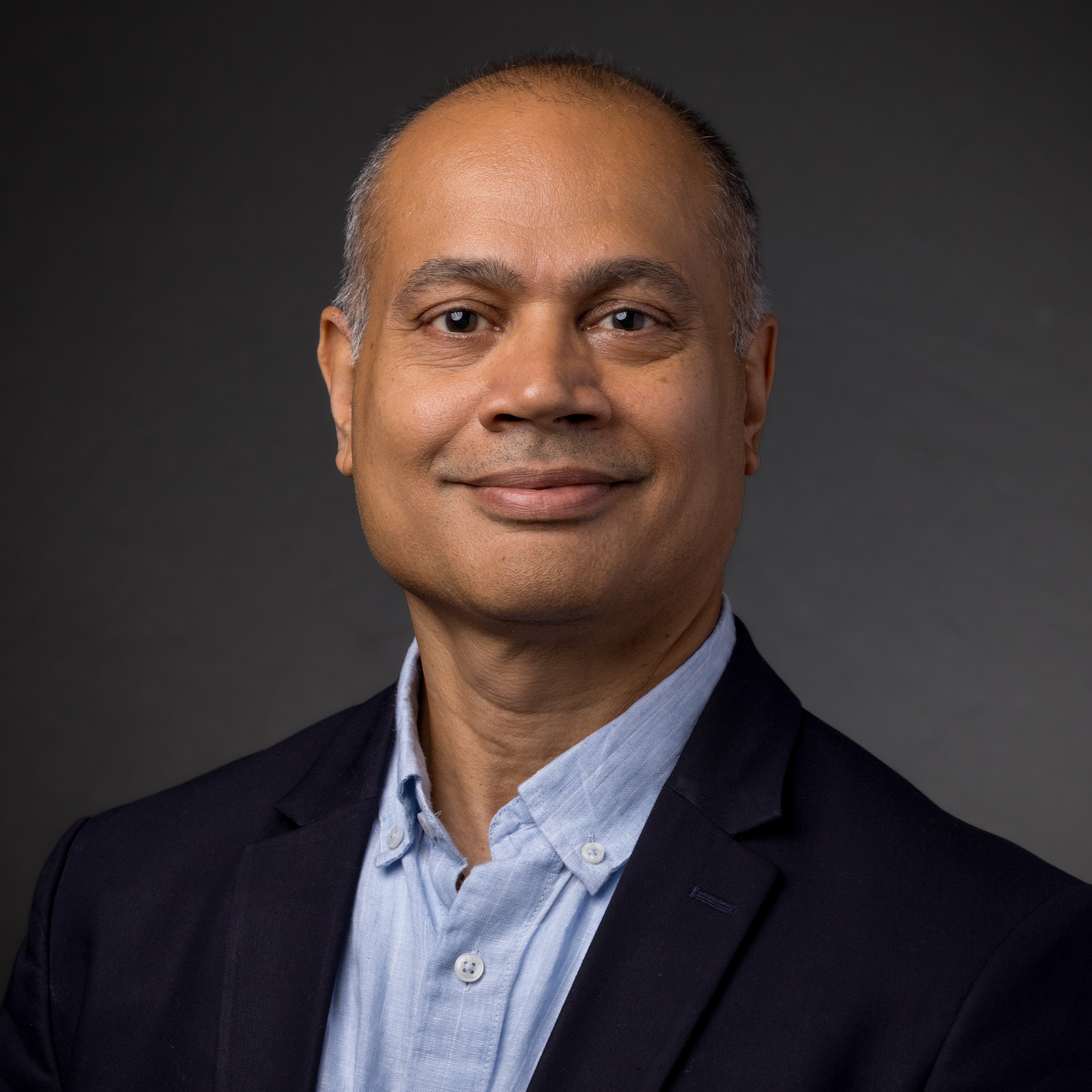
Amar Gandhi
— Manager – Product & Services, Connected Fleet & Assets
Robert MacGregor
— Director of Partnerships
Homayoun Vahidi
— Division General Manager, Canada West Vice President
Cocktails from 6 to 6:30 sponsored by Miovision
Seating at 6:30 for dinner service
Entertainment is musical guest Arlo Maverick
Keynote by Alona Fyshe, University of Alberta
What Wasps Can Teach Us About Artificial Intelligence
Wasps work together in teams to build nests, but surprisingly, they do so without any central organization. How can a group of wasps or bees work together to build such a complex structure? Which wasp decides how big the nest should be? Or the shape of the walls? The answers to questions like these don’t just teach us about the intelligence of insects. They also give us new ways to think about artificial intelligence and human intelligence.

The prayer room is open daily and delegates are welcome to use it during the conference.
Workshop 3: From Pilot to Impact: Scaling AI in Canadian ITS
This workshop addresses how to move AI solutions from pilot projects to scaled, operational deployments across Canadian transport systems. It focuses on implementation models, institutional capacity, and collaboration mechanisms. Participants will learn on practical pathways to scale AI in ITS and identified next steps for collaboration through ITS Canada.
F10
Organized by Phil Masters, Vice President, Masters & Associates
Panelists:
- Lucy Lai ,Director, Product Marketing, SMATS Traffic Solutions
- Raphael Dumas, Team Lead, Data Operations (Emerging Mobility), City of Toronto
- Sameer Patil, TMC Leader, Traffic Services, City of Calgary
- Craig Smith, Director Enterprise, Geospatial, TomTom
Crowdsourced probe vehicle data is traffic data collected without roadside equipment from car and cell phone location data. This data has been available for many years and has typically been used to provide travel time-based traffic condition information on map systems. However, this data has continued to improve in availability, coverage and accuracy. Currently, systems use location information from navigation apps which collect location fixes at a much higher rate that a phone that is on but not running location apps. This high-definition data can provide more accurate data that can be used for a range of functions such as real time modal splits, incident detection and border delays. This panel will explore the current capabilities of crowdsourced probe data and its readiness for use in more real time operations.
The panel will take the format of a fireside chat, starting with brief statements from each of the panel members but will focus on discussion based on questions from the audience and moderator.
Discussion Points
- What are some examples of new real time applications of probe data?
- What impacts the accuracy of probe data for given roadways/locations?
- What are the criteria for acceptability of probe data for specific traffic management strategies?
- What are the advantages of probe data over hardware-based approaches?
Sameer Patil
— Leader of Traffic Management Centre
Lucy Lai

Craig Smith
— Director Public Sector
Raphael Dumas
— Team Lead, Data Operations (Emerging Mobility)

F11
Organized by Dr. Asad Lesani, CEO, Ouster
Moderator: Melissa Erkic, Ouster
Panelists,
- Dr Asad Lesani, VP of Smart Infrastructure Product, Ouster
- Roger Browne, Director Traffic Management at City of Toronto
- Jonathan Hamel-Nunes, Chief de Division, City of Montreal •
- Pranav Dave, Chief Engineer, Operations Planning – Toronto Transit Commission
This session moves beyond theoretical digital infrastructure to examine the successful operationalization of Physical AI within key Canadian cities, highlighting how AI-driven lidar digital twins can be used as real-time detection for the next generation of traffic management. Featuring expert panelists from the City of Montreal, City of Toronto, Toronto Transit Commission and Ouster, this panel will detail the critical, pragmatic steps required to successfully deploy lidar-powered Physical AI solutions on roadways and intersections at scale. The panelists will focus on the proven strategies necessary to integrate this technology into existing municipal systems, processes and budgets, with operational lessons learned so far.
Key discussion points will focus on the challenges and solutions for scaling intelligent systems:
- Data governance & validation: Defining and validating digital multi-modal data for actuation and safety analytics, including spec development necessary for successful large-scale adoption across a city-wide digital program.
- Integration & training: Practical steps for operationalizing Physical AI from sensor, connectivity, and edge computing assets to virtual loops and traffic controller integration.
- Metrics & resiliency: Analyzing metrics for operational efficiencies in high-traffic corridors to optimize infrastructure investment and factors to consider when selecting AI models for resiliency and reliability.
This is a valuable session for agencies ready to take the first step with a pilot or to understand how to scale from a small pilot to integrated, city-wide digital infrastructure programs.

F12
Organized by Keith Anderson, Vizzion
Panelists:
- Cole Gawenda, Vizzion
- Josh Gilman, TomTom
- Brenda Colombus, Fleetworthy
- Todd Hartnett, Ver-Mac
Bigger cities, more vehicles, new mobility types, more impactful natural disasters, higher expectations from travelers, and rising labour costs are leading to complex traffic operations challenges. Thankfully, there are also more sensors, connectivity, and new datasets providing more insight than ever before. But with so many different providers, technologies, and unproven sources, it can be challenging to cut through the noise and determine what is truly impactful. This session will explore connected vehicle, signage, dashcam, and roadside infrastructure, and how agencies, data providers, and researchers are working now to use and combine the connected sources for effective and efficient situational awareness, more confident decision-making, and better response and resilience.
Vizzion will discuss the deployment of Vizzion’s Drives service (connected real-time and historical dashcam imagery) with North Carolina DOT through Iteris’ ClearGuide platform since early 2025. We will review results from this initial deployment and earlier pilots, showing how dashcam imagery has helped with verification of other datasets and more understanding/context around road conditions which allows better prepared agency response.
Vizzion will be joined by representatives from TomTom, Fleetworthy, and Ver-Mac to discuss connected data from vehicles and smart signage, and the role they play for traffic operations in real-time situational awareness, decision-making, response, and informing of the public about:
- Traffic (volume, slowdowns, queues)
- Incidents (crashes, emergency events)
- Work zones (location/timing, monitoring compliance and flagging, impact on traffic)
- The session will involve a mix of speaking, slides/visual examples, and discussion.
Expected Takeaways
- Insights from real-world deployment of Vizzion dashcam imagery with NCDOT
- Understand the comparative strengths, limitations, cost and coverage trade-offs of mobile, fixed, and temporary roadside connected sensor data
- Learn practical methods for integrating diverse data sources for monitoring compliance, flagging, and impact of work zones on traffic.



Sponsored by Econolite Canada
F20
Organized by Ed Stubbing, AECOM
With Road Safety and Congestion Management efforts being key focusses for many agencies across the country, the pressure to identify and implement effective tools to mitigate these pressures continues. Automated Traffic Enforcement (ATE) has traditionally been used for speed and red-light enforcement in limited instances, however, as technology has advanced ATE solutions have become more accessible, cheaper and often more effective approaches to enforcement compared with traditional practices. Technological developments have also provided a range of new ideas and opportunities that could allow ATE to be used to address other common traffic challenges and regulation infractions.
This workshop will provide attendees with information on current and emerging ATE practices, looking at how new technologies are enabling these opportunities. Topics will include what new areas can technology be used to support enforcement; what are some of the operational considerations and challenges; and what the roadmap to deployment for these solutions could include.
The second half of the Workshop will be a thought gather exercise, exploring how to encourage more pilots and deployments of the technology solutions, how to support industry in developing hardware and software and what new opportunities could arise over the next decade?
So come with an open mind, fresh ideas and be prepared to look into the future to explore where ATE could support our goal for safer and effective road networks in Canada!

F21
Organized by Roger Browne, Director, Congestion and Network Management, City of Toronto and
Yeatland Wong, Director of Smart Mobility, Transnomis Solutions Inc.
Moderator: Roger Browne, City of Toronto, and Yeatland Wong, Transnomis Solutions
Panelists:
- Dr. Tony Qiu, NSERC Industrial Research Chair in ITS, University of Alber
- Yun Ping Huang, Postdoctoral Researcher, University of Calgary
- Omar Choudhry, Senior Specialist – Intelligent Transportation Systems, City of Ottawa
- Daniel Kligerman, Director ITS, Esri Canada
- David Michelson, Professor, Department of Electrical & Computer Engineering, University of British Columbia
Connected and automated vehicles are no longer a distant future—pilot projects are underway, and partial automation features are already on our roads. Yet for the foreseeable future, human-driven and automated vehicles will share the same lanes, intersections, and highways. Managing this transition period presents unique challenges for transportation agencies, policymakers, and the ITS community.
This panel examines the research, telecommunications infrastructure, policies, infrastructure investments, and operational strategies needed to support the gradual integration of automated vehicles into the Canadian transportation network. Panelists will discuss how agencies are preparing—from updating signal infrastructure for V2I communication, to adapting traffic management strategies, to addressing liability and regulatory questions that arise when humans and machines share the road. We’ll explore academic research that predicts the efficiencies and challenges of a mixed environment with human drivers, driver-assist modes, and driverless vehicles.
Expect a candid discussion about what we know, what we don’t, and how ITS professionals can help ensure this transition is safe, equitable, and effective for all road users.
Karamjeet Deogan
— Deputy Director, Transportation Systems and Road Safety Engineering

Omar Choudhry
— Sr. Specialist – ITS

Yunping Huang
— Postdoctoral Researcher
Tony Qiu
David Michelson
— Professor

Daniel Kligerman
— Director, Intelligent Transportation Solutions
F22
Organized by ITS Canada Tech Hub Leadership: Jonathan Parent, Transport Canada, Bernard Tung, City of Coquitlam and Nelson Melendez, City of Toronto
Panelists:
- Simon Foo, Ph.D., P.Eng. Chief Executive Officer & Co-Founder, Transnomis Solutions Inc.
- Dave Greenfield — Chief Information Officer, Halifax Harbour Bridges
- Douglas Gettman Ph.D. , Global Director of Smart Mobility and AV/CV Consulting Services
- Sameer Patil, Leader of Traffic Management Centre, City of Calgary
- Amir Ashena, PhD, Transportation Engineering, University of Calgary
Transportation agencies and cities are facing mounting pressure to deliver reliable, field-proven, sustainable, and cost-effective mobility services – often while operating under significant resource constraints. At the same time, rapid technological advancement creates new opportunities to rethink how transportation systems are planned, operated, and optimized. This panel will explore how agencies, municipalities, and technology providers can collaboratively unlock smarter mobility solutions by leveraging existing ITS assets, embracing new partnerships, and using data in more strategic ways. Through a discussion grounded in practical experience and emerging innovation, panelists will examine three core themes:
- Leveraging existing infrastructure to extend asset life and functionality, enhance performance, and integrate intelligent technologies without requiring large capital investments or costly reoccurring costs.
- Collaboration and partnerships between public agencies, private-sector innovators, and research organizations to accelerate deployment, share risk, and scale new mobility solutions
- Data-driven optimization as a pathway to improve system efficiency, allow inter-regional collaboration, inform investment decisions, and support real-time operations and on-demand decision making.
Together, these perspectives will highlight actionable strategies for delivering smarter, field-proven, cost effective and more resilient mobility systems – even when budgets are tight. Attendees will gain insight into replicable approaches, emerging best practices, lessons learned and collaborative models that can help shape the next generation of transportation services.
Sameer Patil
— Leader of Traffic Management Centre
Amin Ashena
— PhD, Transportation Engineering
Dave Greenfield
— CIO

Douglas Gettman
— Director of Smart Cities Software Solutions
Simon Foo
— Chief Executive Officer & Co-Founder
Nelson Melendez
Catering and Awards 2026
Awards 2026 presentation sponsored by Mott MacDonald
- Seamless Inclusive Navigation: Integrating AI, Spatial Data, and Digital Health to Mitigate the Mobility Health Paradox by Fei Chen, Ian-Hubert Seshie, Danielle Peers, Huiying (“Fizzy”) Fan, University of Alberta
- Evaluating the Service Efficiency of Edmonton’s Existing Cycling Network Using Extra Travel Time Method by Ying Peng, Huiying (“Fizzy”) Fan, University of Alberta
- Physics-Informed Hybrid Forecasting of Road Surface Temperature for Proactive Winter Operations by Jiehao Bi, M.Sc., Zihao Dong, B.Sc. and Dr. Tae J. Kwon, Ph.D., P.Eng., University of Alberta
- City-Scale Winter Road Conditions Intelligence from Mobile Patrol Sensing and AI Enabled Mapping by Mahmoud Abdelaty, B.Sc., Michael Urbiztondo, M.Sc., Nahyeon Park, B.Sc. and Dr. Tae J. Kwon, Ph.D., P.Eng., University of Alberta
- Turning RWIS Cameras into Continuous Grip Estimates for Winter Road Maintenance Decision Support by Michael Urbiztondo, M.Sc., Dr. Tae J. Kwon, Ph.D., P.Eng., University of Alberta and Colby Fortier-Brown, B.Sc., Maine Department of Transportation
- Density-Adaptive and Two-Stage Conflict Discrimination for UAM: A Stochastic Kinematic Reachability Approach by Zhenyu Zhao, University of Alberta, Dr. Tae J. Kwon PhD, University of Alberta and Dr. Lanfang Zhang PhD, Tongji University

F40
Moderator Steve Henderson, Director of ITS (Canada & PNW), Director of Sales, BC, ATS Traffic
- From Reactive to Proactive: Transforming Safety with Kinetic Energy Analytics and V2X Technology by Olivia Babcock, Miovision
- Elevating Workzone Gate Safety in Urban Environments with ITS: Using AI Cameras and Multi-Modal focused Warning Systems to enhance safety at Urban Construction Zones by Michael McGuire , Ramudden Digital
- Data Driven Connected Work Zones and the Connected Worker by Todd Hartnett, Ver-Mac, Inc


F41
Moderator Peter Short, Sales/Operations Manager, Velociti Innovations
- Beyond the Loop: Next-Generation Detection for Queue Warning and Adaptive Signals by Farah El-Moghrabi, GFT Inc.
- Deployment Of Adaptive Signal Control Technology In Mississauga – Outcomes And Next Steps by Mark Conrad, Parsons
- Managing Congestion and Fluctuating Demands with Adaptive Signal Control Technology by Brandon Sams and William Huang, NoTraffic
- Future-proof adaptive control for all roadway users by Dave Miller, Yunex

Farah El-Moghrabi
— ITS Lead

Mark Conrad
— Senior Engineering Manager/Director Software Engineering
Dave Miller
— Principal Systems Engineer
William Huang
— Solutions Engineer
Brandon Sams

Syed Latifi
— Lead Traffic Signals & Infrastructure Lighting
F42
Moderator Carol Ogilvie, Manager Business Systems, Brampton Transit City of Brampton
- Evaluating the Efficacy of In-cab Safety Alerts for Commercial Motor Vehicles by Brenda Colombus, Fleetworthy
- ITS as an Essential Ingredient for Effective Transit Fleet Electrification Transition by Doug Parker, Mott MacDonald
- Automated inspection of railway turnouts using laser triangulation and artificial intelligence by Sam Metari, National Research Council of Canada

Carol Ogilvie
— Manager Business Systems
Sponsored by Econolite Canada